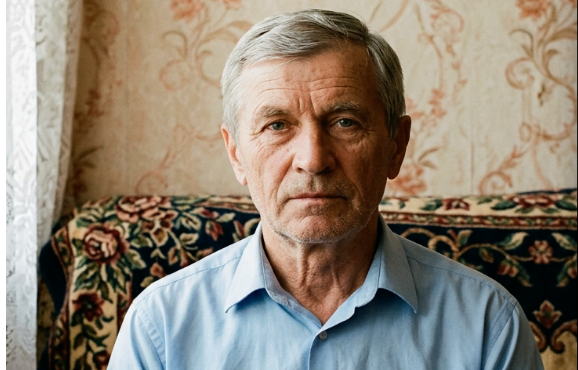
My father lived with us for 15 years, and with his new family for 30. When he grew old, his adopted daughter sent him back to us…
Mom and Dad lived together for fifteen years. I was the oldest, then came Lyuda, then Tanka. I was twelve when he left for another woman—Irina, a coworker, who had a daughter from her first marriage.
He packed his suitcase on a Saturday morning. Mom stood in the hallway, holding onto the wall. The three of us sat on the couch and listened as he said, “Forgive me, Lena. This will be better for everyone.”
For everyone. For whom, exactly, was it better?
Mom slid down the wall onto the floor, her arms hanging limp. I was twelve, and I had no idea how to lift my mother off the floor. But I did. I helped her to the kitchen and poured her some tea.
Tanka sat quietly, clutching her stuffed bunny to her chest (she was . After that day, she didn’t cry for two years. Not once. The school psychologist called it emotional blockage.
Father paid child support. Exactly the amount the court ordered—not a penny more. Right on time, until the very last month, until Tanka turned eighteen. The last transfer—and that was it. Like he’d paid off a loan. Closed it out and forgot.
No calls, no cards, no gifts. He never came once. He didn’t attend a single graduation, never saw a single diploma. For the first two years, I called him every week. Irina would answer the phone:
“Dad is busy.”
“Dad will call you back.”
He never did.
Eventually, I stopped calling.
Mom never spoke badly about him.
“Your father has another life, girls.”
She said it without bitterness. Just as a fact.
He lived with his second wife for thirty years. Exactly twice as long as he had lived with Mom. They had no children together. But he raised Irina’s daughter, Olesya, as his own—he adopted her, gave her his last name, paid for her college. Tutors, clubs, the wedding, help buying an apartment.
Then came Olesya’s children—his grandchildren. The dacha, bicycles, the zoo. A real, present grandfather.
For someone else’s child.
He supported both the daughter and the grandchildren, sparing neither money nor time. But for his three biological daughters—court-ordered child support and silence.
He gave me nothing for my wedding. He didn’t even come.
When my sisters and I were collecting money for Mom’s treatment, he was buying Olesya a car.
When Mom was dying of cancer, Tanka quit her job and spent six months caring for her. Lyuda and I flew in from different cities.
He didn’t come to Mom’s funeral.
He found out and said, “That’s a shame. Lena was a good woman.”
And still, he didn’t come.
In March, Lyuda called me.
“Vera, Dad has resurfaced… Olesya refused to care for two elderly people. Irina is bedridden, and Olesya took her in. Took her mother. But not Dad. She said, ‘You have three biological daughters. Let them take care of you.’”
The adopted daughter. The one he had adopted, raised, educated, helped buy an apartment, whose children he babysat.
For thirty years, she had been his daughter.
And when he got old—“You’re not really mine, you have your own.”
He called me himself.
His voice was old, unfamiliar:
“Vera, it’s Dad. I’m completely old now. Blood pressure, diabetes, bad legs. I need someone… I’m ready to come anywhere. Even to you…”My mother and father were together for fifteen years. I’m the eldest, then came Lyuda, then Tanka. I was twelve when he left for another woman—Irina, a coworker, with a daughter from her first marriage.
He packed his suitcase on a Saturday morning. Mom stood in the hallway, holding herself up against the wall. The three of us sat on the couch and listened as he said, “Forgive me, Lena. This will be better for everyone.”
Better for everyone. For everyone? Who exactly was that supposed to mean?
Mom slid down the wall onto the floor, her arms limp like ropes. I was twelve, and I had no idea how to lift my mother off the floor. But I did. I took her to the kitchen and poured her some tea.
Tanka sat silently, clutching her stuffed bunny to her chest—she was eight. After that day, she didn’t cry for two whole years. Not once. The school psychologist called it emotional blockage.
Father paid child support. Exactly as much as the court ordered—not a kopek more. Right on time, until the very last month, when Tanka turned eighteen. One final transfer, and that was it. Like he’d finished paying off a loan. Closed it out and forgot.
No calls, no cards, no gifts. He never came to see us. Not once. He didn’t attend a single graduation, never saw a single diploma.
I called him for the first two years—every week. Irina always answered the phone: “Dad is busy.” “Dad will call you back.” He never did. Eventually, I stopped calling.
Mom never said a bad word about him. “Your father has a different life now, girls.” No anger. Just a fact.
He lived with his second wife for thirty years—exactly twice as long as he had lived with Mom. They never had children together. But he raised Irina’s daughter, Olesya, as his own—he adopted her, gave her his last name, paid for college. Tutors, extracurriculars, her wedding, help with an apartment. Then Olesya’s children—his grandchildren. A summer house, bicycles, trips to the zoo. A real, present grandfather.
For someone else’s child.
He gave his time and money freely to her and her children.
But for his three biological daughters—court-ordered child support and silence.
He gave me nothing for my wedding. He didn’t even come. When my sisters and I were collecting money for Mom’s treatment, he was buying Olesya a car. When Mom was dying of cancer, Tanka quit her job and cared for her for six months. Lyuda and I flew in from different cities.
He didn’t come to Mom’s funeral. He found out and said, “That’s a shame. Lena was a good woman.” And he still didn’t come.
In March, Lyuda called me.
“Vera, Dad has resurfaced…”
Olesya refused to take care of two elderly people. Irina was bedridden, and Olesya took her in. Her mother—yes. But not him. She said, “You have three biological daughters. Let them take care of you.”
His adopted daughter. The one he had legally adopted, raised, educated, helped buy an apartment for, whose children he babysat. For thirty years she had been his daughter. But when he grew old, suddenly it was: “You’re not really mine—you’ve got real daughters.”
He called me himself. His voice sounded old, unfamiliar.
“Vera, it’s Dad. I’m very old now. High blood pressure, diabetes, bad legs. I need someone… I’m ready to come anywhere. Even to you in Khabarovsk.”
Even to you… in Khabarovsk. To a daughter he hadn’t seen in thirty years.
“And Olesya? You raised her. You adopted her. She was your daughter for thirty years.”
“Olesya said she can’t handle two of us. She took her mother, but me…”
“But you—to us. To the ones you didn’t remember for thirty years.”
“Vera, you are my daughter. My own flesh and blood.”
My own flesh and blood. He remembered that word. For thirty years, Olesya had simply been his daughter—no qualifiers needed. But now that she had refused him, suddenly he needed the word “biological.”
“I was your daughter thirty years ago. When I called every week and Irina answered, ‘Dad is busy.’ When Mom worked two jobs to feed us. When you were buying Olesya a car and we were riding the bus. You chose another family. And now that they’ve turned you away, you remembered us.”
“Vera, please…”
“No.”
Lyuda said, “No.”
Tanka said, “No.”
Three daughters. Three refusals. He called again—Lyuda didn’t pick up. Tanka blocked his number.
Aunt Nina, Mom’s friend, called me:
“Verochka, but he’s still your father. He’s old and sick.”
“He was a father for fifteen years. Then for thirty years he was a stranger, Aunt Nina. Being called a father is not a lifetime insurance policy for a comfortable old age.”
I do not feel sorry for him. Honestly. No bravado.
I feel sorry for Mom—who never said a bad word about him until her dying day. I feel sorry for Tanka, with her emotional shutdown at eight years old. I feel sorry for Lyuda, who had no father at her graduation. I feel sorry for us—little girls on the couch, listening while he talked about what was “better for everyone.”
But him? No.
He should have thought about that earlier. When he left. When he paid child support like it was a fine. When he bought an apartment and a car for his adopted daughter while his real daughters rode the bus. When he didn’t come to Mom’s funeral.
Old age comes for everyone—at least for those who live long enough to see it. For those who built bridges, and for those who burned them. The difference is that the first can cross those bridges and come home. The second stand on the far shore and shout, “Let me in! I’m yours!”
He’s not ours.
For thirty years, he hasn’t been ours